When we think about health, we often focus on diet, exercise, or sleep — but we tend to overlook one crucial area: oral hygiene. The mouth is the gateway to the rest of the body, and taking care of it is essential not just for a bright smile but also for overall wellbeing.
Recent studies show a strong link between oral health and systemic diseases, including heart disease, diabetes, and respiratory infections. This article explores oral hygiene and its impact on overall health, focusing on proper brushing, flossing, and how gum health affects the heart.
1. Understanding Oral Hygiene
Oral hygiene refers to keeping the mouth clean and free from diseases by maintaining healthy teeth, gums, and tongue. It involves daily habits like brushing, flossing, and routine dental checkups.
Poor oral hygiene can lead to plaque buildup — a sticky film of bacteria that causes tooth decay and gum disease (gingivitis or periodontitis). If untreated, these bacteria can enter the bloodstream and affect other parts of the body.
Why Oral Hygiene Matters:
- Prevents cavities and gum disease
- Keeps breath fresh
- Supports digestion (healthy teeth help chew food properly)
- Prevents tooth loss
- Contributes to overall physical and emotional wellbeing
2. The Connection Between Oral Health and Overall Health
Your mouth is home to billions of bacteria — both good and harmful. Normally, the body’s immune system and good oral care keep them in balance. However, if oral hygiene is neglected, bacteria multiply and cause inflammation, infection, and even systemic health problems.
Oral Health and Heart Disease: Oral Hygiene and Its Impact on Overall Health
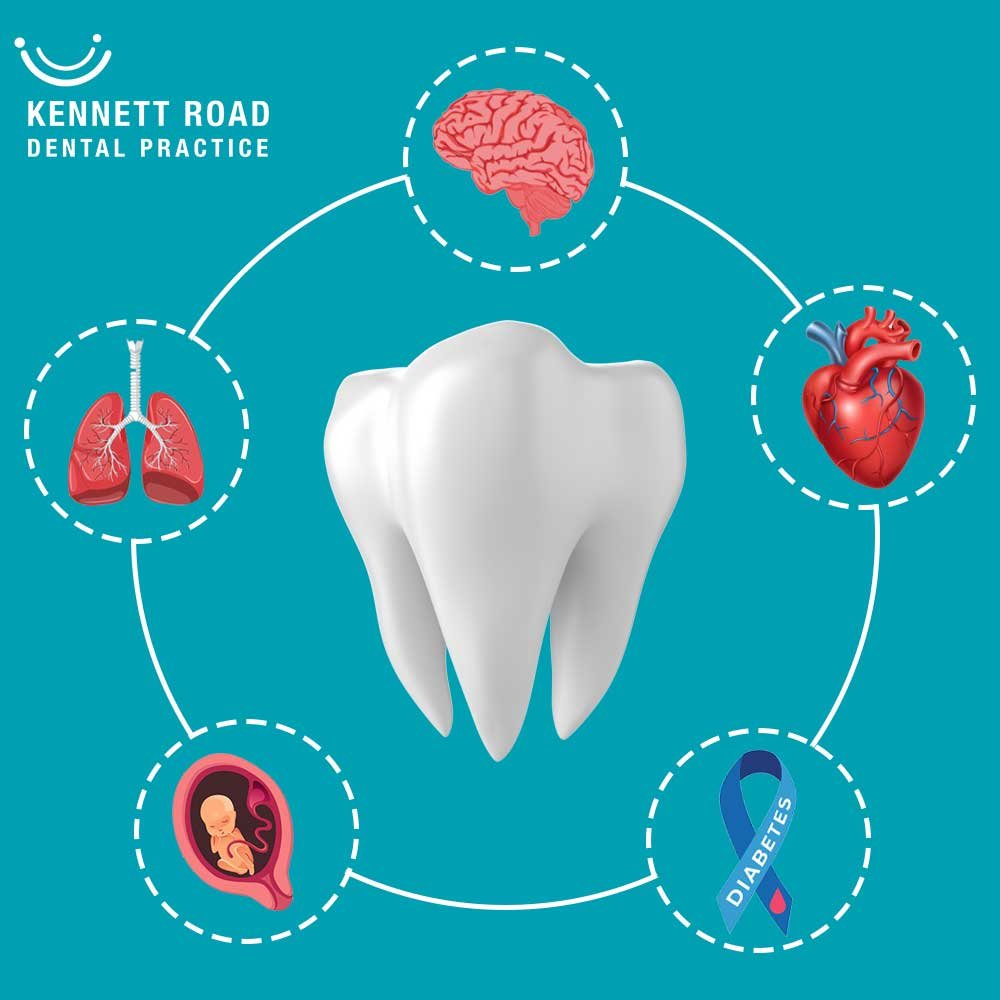
Gum disease (periodontitis) is associated with an increased risk of heart disease and stroke. When gums are inflamed, bacteria can enter the bloodstream and cause:
- Arterial inflammation
- Plaque formation in arteries
- Reduced blood flow to the heart
Researchers believe this inflammation contributes to atherosclerosis, a major cause of heart problems.
Oral Health and Diabetes
Diabetes weakens the body’s ability to fight infection, making gums more prone to inflammation. In turn, gum disease can make it harder to control blood sugar — creating a vicious cycle.
🫁 Oral Health and Respiratory Issues
Bacteria from infected gums can travel to the lungs, leading to respiratory infections like pneumonia, especially in older adults.
Oral Health and Cognitive Function
Emerging studies suggest that chronic gum inflammation may contribute to Alzheimer’s disease by allowing harmful bacteria to reach the brain.
3. Proper Brushing Techniques for Healthy Teeth
Brushing your teeth twice daily is the cornerstone of good oral hygiene. But how you brush matters as much as how often.
🪥 Step-by-Step Brushing Guide
- Use the right toothbrush: Choose a soft-bristled brush that fits comfortably in your mouth.
- Apply fluoride toothpaste: Fluoride helps strengthen enamel and prevent decay.
- Angle your brush: Hold it at a 45° angle to the gum line.
- Brush gently in circular motions: Avoid harsh scrubbing to protect enamel and gums.
- Cover all areas: Brush the outer, inner, and chewing surfaces of every tooth.
- Brush for 2 minutes: Spend 30 seconds on each quadrant of the mouth.
- Don’t forget the tongue: Bacteria also accumulate on the tongue and can cause bad breath.
Bonus Tip:
Replace your toothbrush every 3–4 months or sooner if the bristles are frayed.
4. The Importance of Flossing
Flossing removes plaque and food particles where a toothbrush can’t reach — between teeth and under the gumline.
How to Floss Correctly
- Take about 18 inches of dental floss and wrap it around your fingers.
- Gently slide the floss between teeth using a back-and-forth motion.
- Curve the floss around each tooth in a “C” shape.
- Move it up and down along the gum line.
- Use a clean section of floss for each tooth.
Tip:
If regular flossing is difficult, use interdental brushes or water flossers, which are excellent alternatives.
5. Mouthwash and Tongue Cleaning
Mouthwash Benefits
Using an antimicrobial mouthwash can help:
- Kill bacteria that cause plaque and bad breath
- Reduce inflammation and gingivitis
- Strengthen enamel (if fluoride-based)
Use mouthwash after brushing and flossing for best results.
Tongue Cleaning
The tongue traps bacteria and debris that contribute to bad breath. Use a tongue scraper or your toothbrush to clean it daily.
6. Nutrition and Oral Health
What you eat has a big impact on your oral health.
Foods That Promote Healthy Teeth
- Calcium-rich foods (milk, yogurt, cheese): Strengthen teeth and bones
- Crunchy fruits and vegetables (apples, carrots): Naturally clean teeth
- Green leafy vegetables: Provide essential vitamins and minerals
- Water: Keeps the mouth moist and washes away food particles
Foods to Limit
- Sugary snacks and soft drinks
- Sticky candies and sweets
- Acidic drinks like soda or citrus juices (can erode enamel)
7. Signs of Poor Oral Health
Ignoring oral hygiene can lead to various warning signs, including:
- Bleeding or swollen gums
- Persistent bad breath
- Tooth sensitivity
- Loose teeth
- Pain while chewing
- Gum recession
If you experience any of these symptoms, visit a dentist immediately to prevent further complications.
8. Oral Health and Lifestyle Habits
Quit Smoking
Smoking damages gum tissue, causes bad breath, stains teeth, and increases the risk of oral cancer. Smokers are twice as likely to develop gum disease.
Limit Alcohol
Excessive alcohol can dry out the mouth and erode enamel. Drink in moderation and stay hydrated with water.
Avoid Night Grinding
Grinding (bruxism) wears down teeth. Use a night guard if needed, especially during stress or sleep disorders.
9. Regular Dental Visits
Even with perfect home care, professional checkups are crucial.
Why Dental Checkups Matter
- Detect cavities early
- Prevent gum infections
- Clean tartar buildup that brushing can’t remove
- Screen for oral cancer or other conditions
Frequency: Visit your dentist at least twice a year or as recommended.
10. The Link Between Gum Health and Heart Disease
This is one of the most important connections in modern medicine.
When gums become inflamed due to plaque buildup, they release bacteria and toxins into the bloodstream. These substances can:
- Trigger inflammation in blood vessels
- Promote arterial plaque formation
- Increase blood clot risk
Over time, this can contribute to hypertension, heart attack, or stroke. Maintaining good gum health is, therefore, a vital step in protecting the heart.
11. Preventing Gum Disease
To prevent gum disease:
- Brush and floss daily
- Use mouthwash
- Eat a balanced diet
- Avoid smoking and alcohol
- Schedule regular dental cleanings
Early gum disease (gingivitis) is reversible, but advanced stages (periodontitis) can lead to permanent tooth loss.
12. Oral Hygiene Tips for All Ages
- Children: Teach brushing habits early; use fluoride toothpaste.
- Teenagers: Limit sugary snacks and soda; wear mouthguards during sports.
- Adults: Maintain routine dental visits; manage stress and diet.
- Seniors: Watch for dry mouth due to medications; keep dentures clean.
Conclusion
Good oral hygiene is not just about having a confident smile — it’s about maintaining total body health. Poor dental care can lead to infections that affect the heart, brain, and other organs.
By brushing and flossing daily, eating a balanced diet, and visiting the dentist regularly, you can protect your teeth, gums, and entire body.
Remember: A healthy mouth is a mirror of a healthy body.
FAQs: Oral Hygiene and Health
Q1: How many times should I brush my teeth daily?
A: Brush at least twice a day — after breakfast and before bedtime.
Q2: What’s the best toothpaste for oral health?
A: Choose one with fluoride to prevent cavities and strengthen enamel.
Q3: Is flossing really necessary?
A: Yes. Flossing removes food and bacteria between teeth where a toothbrush can’t reach.
Q4: Can gum disease cause heart problems?
A: Research shows that bacteria from infected gums may contribute to heart inflammation and arterial plaque, increasing the risk of heart disease.Q5: How often should I visit the dentist?
A: Every 6 months for cleaning and checkups, or more frequently if you have gum disease.
Leave a Reply