
If you’ve ever had kidney stones, you know the pain can be frightening. One of the first questions people ask—often in the middle of discomfort—is:
“How long will this kidney stone last?”
The honest answer is: it depends.
Kidney stones don’t follow a fixed timeline. Some pass quietly in a few days, while others can stay for weeks or even months if not treated properly.
In this article, we’ll break it down in a clear, human way—no medical jargon, no confusion—so you know what to expect and when to worry.
First, What Are Kidney Stones?
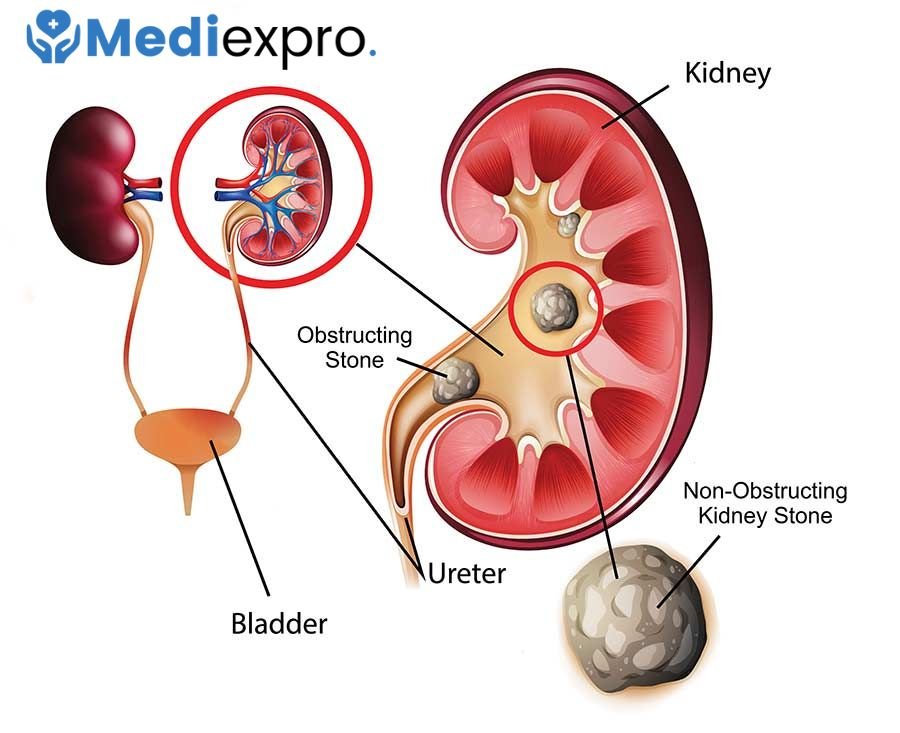
Kidney stones are hard crystal-like deposits that form in the kidneys when minerals and salts in urine stick together. They can be as small as a grain of sand or as large as a marble.
Many people don’t even realize they have a kidney stone until it starts moving.
How Long Do Kidney Stones Usually Last?
The duration of kidney stones depends mostly on size and location.
General Timeline Most Doctors Use
- Very small stones (under 4 mm):
Usually pass on their own within a few days to 1–2 weeks - Medium stones (4–6 mm):
May take 2 to 4 weeks to pass - Large stones (over 6 mm):
Often do not pass naturally and can last several weeks or months without medical help
For most people, kidney stones last anywhere from a few days to several weeks.
Why Do Some Kidney Stones Last Longer Than Others?
1. Size Matters
Small stones move through the urinary tract more easily. Larger stones can get stuck, slowing everything down.
2. Location of the Stone
- Stones already in the ureter usually pass faster
- Stones still inside the kidney may take longer to move
3. Your Body and Hydration
If you drink enough water and stay active, stones tend to pass faster.
4. Type of Kidney Stone
Some stones dissolve or break more easily than others. Certain types are more stubborn.
What Does the Pain Timeline Look Like?
Many people are surprised to learn that kidney stones don’t hurt all the time.
Before the Stone Moves
- Often no symptoms at all
- This stage can last months or even years
When the Stone Starts Moving
- Sudden, sharp pain in the back or side
- Pain comes in waves
- This is when most people seek help
While the Stone Is Passing
- Pain may shift toward the lower abdomen or groin
- Burning sensation while urinating
- Frequent urge to urinate
- This stage may last days to weeks
After the Stone Passes
- Pain usually improves quickly
- Mild soreness may remain for a day or two
Can Kidney Stones Go Away on Their Own?
Yes—many kidney stones pass naturally, especially small ones.
Things that help:
- Drinking plenty of water
- Light physical activity
- Doctor-recommended pain relief
- Medicines that help relax the urinary tract
However, waiting too long without medical advice is not safe if pain is severe or symptoms worsen.
When Kidney Stones Take Too Long
You should not ignore kidney stones if:
- Pain lasts more than 2–3 weeks
- Pain becomes unbearable
- You develop fever or chills
- There is heavy blood in urine
- You have trouble urinating
- The stone hasn’t passed after 4 weeks
These signs may mean the stone is stuck or causing infection.
What Happens If a Kidney Stone Doesn’t Pass?
Doctors may recommend treatment such as:
- Medication to help the stone pass
- Shock wave treatment to break the stone
- Minor procedures to remove the stone
Modern treatments are safe and effective, and they often bring quick relief.
How Long Do Kidney Stones Last After Treatment?
Once a stone is removed or broken:
- Pain improves within 24–48 hours
- Normal urination usually returns quickly
- Full recovery takes a few days
Can Kidney Stones Come Back?
Unfortunately, yes.
People who’ve had kidney stones once are more likely to get them again.
To reduce risk:
- Drink enough water daily
- Avoid too much salt
- Eat balanced meals
- Follow medical advice based on stone type
Final Answer: How Long Do Kidney Stones Last?
Most kidney stones last from a few days to a few weeks.
Small stones often pass on their own, while larger stones may need medical treatment.
The key is not to ignore ongoing pain. Early care can shorten the duration, reduce pain, and prevent complications.
If you’re unsure, it’s always better to talk to a healthcare professional than to wait and suffer.