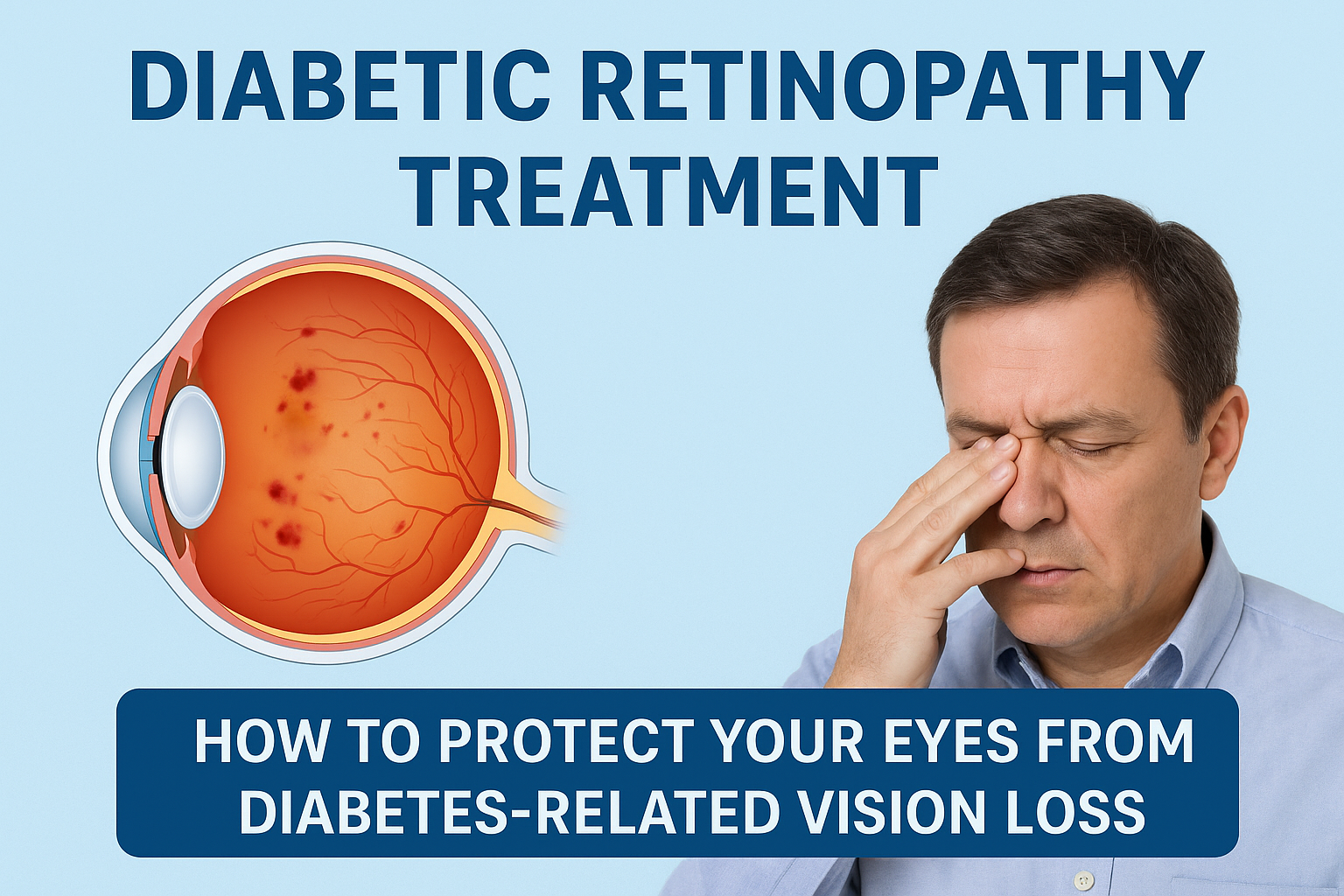
Diabetes doesn’t just affect your blood sugar — it can silently damage your eyesight too. One of the most dangerous complications is diabetic retinopathy, a condition that can lead to permanent blindness if ignored.
Understanding retinopathy treatment in diabetes is crucial for protecting your vision. With modern medical advances, it’s now possible to manage and even reverse the early stages of this eye disease.
Let’s explore what diabetic retinopathy is, how it develops, and the most effective treatment and prevention strategies available today.
What Is Diabetic Retinopathy?
Diabetic retinopathy is an eye complication that occurs when high blood sugar levels damage the blood vessels of the retina — the light-sensitive tissue at the back of the eye responsible for vision.
The damaged vessels may leak blood or fluid, causing swelling, scarring, and reduced oxygen supply. If untreated, this leads to vision problems and eventually blindness.
According to the World Health Organization (WHO), diabetic retinopathy is the leading cause of vision loss among working-age adults globally.
Types of Diabetic Retinopathy
There are two main types:
- Non-Proliferative Diabetic Retinopathy (NPDR)
- The early stage of the disease.
- Blood vessels weaken and leak, leading to swelling of the retina.
- Vision might become blurry.
- The early stage of the disease.
- Proliferative Diabetic Retinopathy (PDR)
- Advanced stage where new, abnormal blood vessels grow.
- These fragile vessels can bleed into the eye and cause severe vision loss.
- It may also lead to retinal detachment.
- Advanced stage where new, abnormal blood vessels grow.
Symptoms of Diabetic Retinopathy
In its early stages, diabetic retinopathy may not cause noticeable symptoms. But as it progresses, you may experience:
- Blurred or double vision
- Floaters (spots or dark strings)
- Difficulty seeing at night
- Dark or empty areas in vision
- Sudden or complete vision loss
If you have diabetes, even without vision problems, you should get your eyes checked at least once a year.
Causes and Risk Factors
The main cause is chronic high blood sugar, which damages the retina’s blood vessels.
Other risk factors include:
- Long-term diabetes (more than 5 years)
- Uncontrolled blood pressure
- High cholesterol levels
- Pregnancy in diabetic women
- Tobacco use
- Kidney disease
The more risk factors you have, the faster retinopathy can develop.
Diagnosis: How Retinopathy Is Detected
Early detection is the key to preventing vision loss. Eye specialists use the following tests to diagnose diabetic retinopathy:
- Dilated Eye Exam – The doctor uses eye drops to widen your pupils and examine your retina for bleeding or swelling.
- Fluorescein Angiography – A dye is injected into your arm, allowing doctors to see blood flow and identify leaking vessels.
- Optical Coherence Tomography (OCT) – This imaging test provides detailed cross-sections of the retina, revealing swelling or fluid buildup.
Regular eye exams can detect early signs long before symptoms appear.
Retinopathy Treatment in Diabetes
Treatment depends on how advanced the disease is. While mild stages can often be controlled through diabetes management, advanced stages may need medical or surgical procedures.
1. Controlling Diabetes: The First Line of Defense
Maintaining stable blood sugar levels is the foundation of all treatment. This prevents further damage to the retinal blood vessels.
Tips for control:
- Follow a low-glycemic diet with fruits, vegetables, lean protein, and whole grains.
- Take diabetes medications or insulin as prescribed.
- Check your blood sugar regularly.
- Manage blood pressure and cholesterol with a doctor’s advice.
Simple lifestyle changes can greatly reduce your risk of developing severe retinopathy.
2. Anti-VEGF Injections
A breakthrough treatment for diabetic retinopathy is the use of anti-VEGF (vascular endothelial growth factor) injections.
These medications block the protein that causes abnormal blood vessel growth in the retina. They help reduce swelling and improve vision.
Common anti-VEGF drugs include:
- Ranibizumab (Lucentis)
- Aflibercept (Eylea)
- Bevacizumab (Avastin)
Injections are usually given every 4–6 weeks depending on the patient’s response.
3. Laser Treatment (Photocoagulation)
Laser treatment is one of the most effective methods for preventing vision loss in diabetic patients.
- Focal laser photocoagulation seals specific leaking blood vessels.
- Panretinal photocoagulation (PRP) treats a larger area to shrink abnormal vessels and prevent further growth.
Laser therapy can’t restore lost vision but helps stop the disease from getting worse.
4. Vitrectomy Surgery
If blood has leaked into the vitreous (the gel-like fluid inside your eye), vitrectomy surgery may be required.
During this procedure:
- The surgeon removes the blood-filled vitreous gel.
- Scar tissue is cleared to prevent retinal detachment.
This surgery helps restore clearer vision and prevent blindness in advanced cases.
5. Corticosteroid Treatment
For patients who do not respond well to anti-VEGF drugs, corticosteroid injections or implants can be used to reduce inflammation and swelling.
However, long-term use of steroids may increase the risk of cataracts or glaucoma, so close monitoring is essential.
Natural and Home-Based Prevention Tips
While medical treatment is essential, you can protect your eyes by adopting healthy daily habits:
- Eat eye-friendly foods like carrots, spinach, and citrus fruits.
- Avoid smoking and alcohol.
- Exercise regularly (at least 30 minutes daily).
- Keep your blood sugar under control by avoiding refined carbs.
- Manage stress through meditation or yoga.
Remember: small steps every day can delay or prevent retinopathy progression.
Diet Recommendations for Eye Health
Here’s a simple list of foods that promote good retinal health:
| Type | Foods to Include | Benefits |
| Vegetables | Spinach, kale, broccoli | Rich in antioxidants like lutein and zeaxanthin |
| Fruits | Blueberries, oranges, apples | Vitamin C and polyphenols protect the eyes |
| Fish | Salmon, sardines, tuna | Omega-3 fats support retinal function |
| Nuts & Seeds | Almonds, flaxseeds, walnuts | Contain vitamin E and zinc |
| Whole Grains | Oats, quinoa, brown rice | Keep blood sugar levels stable |
Complications of Untreated Diabetic Retinopathy
If left untreated, diabetic retinopathy can lead to:
- Retinal detachment
- Glaucoma
- Macular edema (swelling in the central retina)
- Permanent blindness
That’s why early diagnosis and consistent monitoring are essential for all diabetes patients.
Prevention Is Better Than Cure
Follow these proven tips to lower your risk:
✅ Control blood sugar (A1C < 7%)
✅ Monitor blood pressure and cholesterol
✅ Stop smoking
✅ Visit your eye specialist every 6–12 months
✅ Maintain a healthy weight
These simple habits can prevent up to 90% of vision-threatening diabetic eye disease.
Frequently Asked Questions (FAQ)
1. Can diabetic retinopathy be cured?
Not completely, but early detection and treatment can stop or reverse its progression.
2. How often should diabetics get their eyes checked?
At least once every 12 months, even if you have no vision problems.
3. Can exercise help diabetic retinopathy?
Yes. Regular exercise helps control blood sugar and improves blood circulation, reducing eye damage risk.
4. Is laser treatment painful?
It’s usually painless and done under local anesthesia. You may feel mild discomfort but no major pain.
5. What is the best treatment for advanced diabetic retinopathy?
Vitrectomy surgery combined with anti-VEGF injections offers the best results for advanced cases.
Conclusion
Diabetic retinopathy is a silent but serious threat to vision. However, with timely treatment, proper diabetes management, and regular eye exams, blindness is largely preventable.
Modern therapies — from anti-VEGF injections to laser and surgical treatments — are helping millions retain their sight.
If you have diabetes, start protecting your eyes today. Early action is your best treatment.
Leave a Reply