
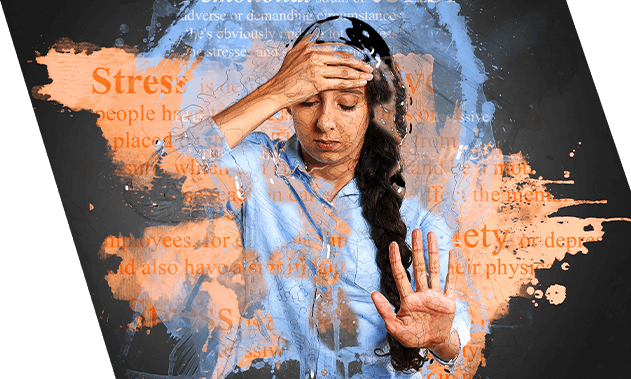
Stress is something everyone experiences. It can come from work, relationships, studies, or financial pressure. In small amounts, stress is actually normal and can even help you stay focused. But when stress becomes chronic (long-term), it can seriously affect your health.
Many people ask: “Can stress kill you?”
The simple answer is: stress itself usually doesn’t directly cause death, but it can lead to serious health problems that can be life-threatening.
At Mediexpro, Dr. Sandwip Talukdar (MBBS, DFM (BSMMU), MCPS (FM), CCD (BIRDEM), DMU (BTEB)) explains that unmanaged stress can silently damage the body over time.
What is Stress?
Stress is your body’s natural response to pressure or danger. When you feel stressed, your body releases hormones like adrenaline and cortisol, which prepare you to react.
This is called the “fight or flight” response.
Short-term stress can be helpful, but long-term stress keeps your body in a constant state of alert, which can harm your health.
Can Stress Really Kill You?
Stress itself does not directly kill a person like a disease or injury. However, chronic stress can increase the risk of serious conditions such as:
- Heart disease
- Stroke
- High blood pressure
- Depression and anxiety
- Weakened immune system
Over time, these conditions can become life-threatening.
So, stress doesn’t kill instantly—but it can contribute to deadly diseases.
How Stress Affects Your Body
When stress continues for a long time, it affects almost every system in your body.
1. Heart and Blood Pressure
Stress increases heart rate and blood pressure. Over time, this can lead to:
- Heart attack
- Stroke
2. Brain and Mental Health
Chronic stress can cause:
- Anxiety
- Depression
- Panic attacks
It can also affect memory and concentration.
3. Immune System
Stress weakens your immune system, making you more likely to get sick.
4. Digestive System
Stress can lead to:
- Stomach pain
- Acid reflux
- Irritable bowel syndrome (IBS)
5. Sleep Problems
Stress often causes:
- Insomnia
- Poor sleep quality
This creates a cycle where lack of sleep increases stress.
Stress and Heart Attack Risk
One of the most serious dangers of stress is its impact on the heart.
Severe emotional stress can trigger a condition called “stress-induced cardiomyopathy” (also known as broken heart syndrome). It can mimic a heart attack and, in rare cases, be fatal.
Dr. Sandwip Talukdar warns that people with high stress levels are more likely to develop hypertension and heart disease, especially if combined with unhealthy habits.
Stress and Unhealthy Lifestyle
Stress often leads to unhealthy coping behaviors, which increase health risks:
- Smoking
- Alcohol consumption
- Overeating or unhealthy diet
- Lack of exercise
- Poor sleep
These habits increase the risk of serious illnesses.
Signs of Dangerous Stress
You should take stress seriously if you experience:
- Constant anxiety or worry
- Chest pain or tightness
- Severe headaches
- Trouble sleeping
- Feeling overwhelmed all the time
- Loss of interest in daily activities
If stress starts affecting your physical or mental health, it’s important to seek help.
Who is at Higher Risk?
Some people are more vulnerable to stress-related health problems:
- People with heart disease
- Individuals with high blood pressure
- Those with depression or anxiety
- People with unhealthy lifestyles
- Individuals under constant pressure (work, studies, finances)
At Mediexpro, doctors recommend early stress management for high-risk individuals.
How to Reduce Stress
The good news is that stress can be managed effectively.
1. Regular Exercise
Physical activity helps reduce stress hormones and improve mood.
2. Healthy Diet
Eat balanced meals with fruits, vegetables, and whole grains.
3. Proper Sleep
Aim for 7–8 hours of quality sleep every night.
4. Relaxation Techniques
- Deep breathing
- Meditation
- Yoga
5. Talk to Someone
Sharing your feelings with friends, family, or a professional can help.
6. Limit Screen Time
Too much social media and news can increase stress.
When to See a Doctor
You should consult a doctor if:
- Stress is affecting your daily life
- You feel anxious or depressed for a long time
- You experience chest pain or severe symptoms
- You have trouble sleeping regularly
At Mediexpro, patients receive proper guidance and support to manage both physical and mental health.
Expert Advice
Dr. Sandwip Talukdar says:
“Stress is a normal part of life, but ignoring chronic stress can be dangerous. Managing stress through lifestyle changes and professional support is essential for long-term health.”
Conclusion
So, can you die from stress?
Not directly—but the effects of long-term stress can lead to serious and even life-threatening conditions.
The key is to:
- Recognize stress early
- Take care of your mental and physical health
- Seek help when needed
Remember, managing stress is not just about feeling better—it’s about protecting your overall health and future.