
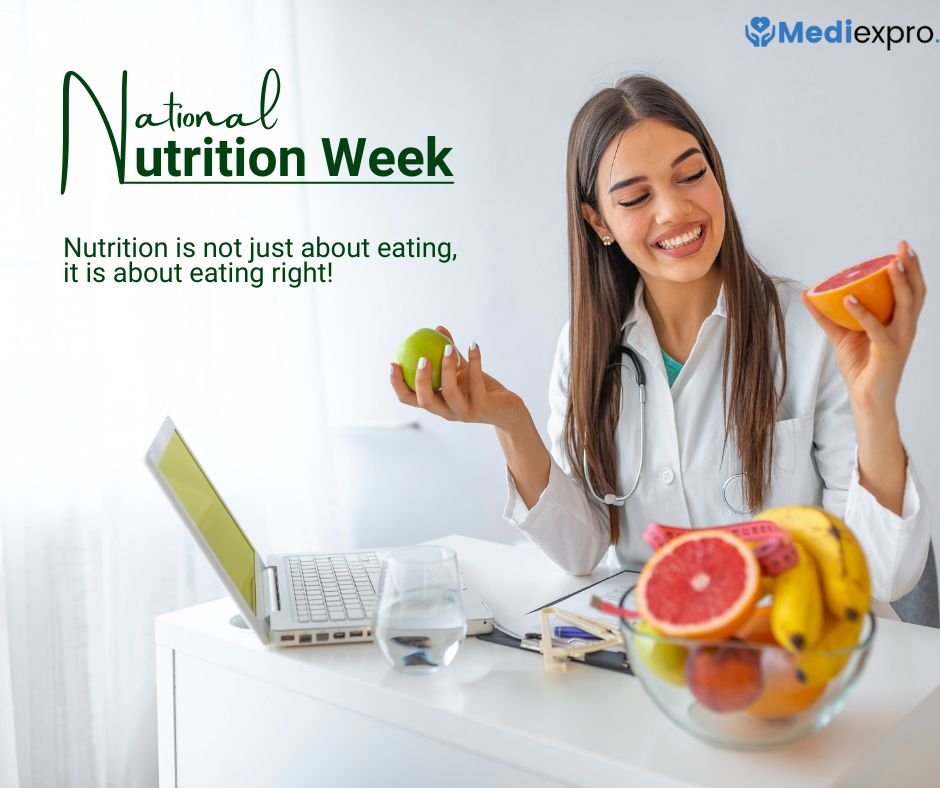
Introduction: Why Nutrition Matters
Nutrition plays a crucial role in our overall health, energy levels, and disease prevention. A balanced diet gives the body essential nutrients like vitamins, minerals, carbohydrates, proteins, and fats to function properly. With lifestyle illnesses such as obesity, diabetes, and heart disease increasing worldwide, healthy eating has become more important than ever.
Good nutrition is not about restriction — it’s about making smarter choices that support long-term well-being.
What Is a Balanced Diet?
A balanced diet includes the right proportion of macronutrients and micronutrients your body needs.
Macronutrients:
| Nutrient | Role in Body | Examples |
|---|---|---|
| Protein | Builds muscle, hormones, immune system | Eggs, fish, chicken, beans, lentils |
| Carbohydrates | Main source of energy | Whole grains, fruits, vegetables |
| Healthy Fats | Brain function, vitamin absorption | Olive oil, nuts, seeds, avocados |
Micronutrients:
These include vitamins and minerals such as Vitamin D, B12, Calcium, Iron, and Zinc.
The Importance of Portion Control
Even healthy food can cause weight gain if eaten in excess. Portion control helps maintain a healthy weight and prevents overeating.
Quick portion guide using your hand:
- Protein: Palm of your hand
- Carbs: One cupped hand
- Vegetables: Two open hands
- Healthy Fat: One thumb-sized portion
Healthy Eating Guidelines You Can Follow Daily
To build healthy eating habits, consider these science-based tips:
- Eat more whole foods and fewer processed foods
- Include at least 5 servings of fruits and vegetables daily
- Drink 6–8 glasses of water per day
- Reduce sugar, salt, and saturated fats
- Choose whole grains instead of refined grains
Hydration and Health
Water is essential for digestion, temperature regulation, and detoxification. Lack of hydration can lead to fatigue, headaches, and poor mental performance.
Tip: Replace sugary drinks with water, herbal tea, or infused fruit water.
Healthy Meal Plans by Goal
Whether your goal is weight loss, muscle gain, or maintaining a healthy lifestyle, nutrition changes based on personal needs.
For Weight Loss:
- High-fiber vegetables
- Lean protein
- Low-glycemic carbs
Example plate:
50% vegetables + 30% protein + 20% whole grains
For Muscle Gain:
- Higher protein intake (1.2–2g per kg body weight)
- Complex carbs for energy
- Healthy fat for hormone support
For General Wellness:
- Balanced nutrients
- Variety of colorful food
- Mindful eating

Do You Need Supplements?
Supplements can help when food alone cannot meet nutritional requirements. However, they should not replace whole foods.
Common supplements:
- Vitamin D
- Omega-3
- Multivitamins
- Protein powder (if needed)
Always consult a healthcare provider before starting supplements.
Healthy Eating for Children
Healthy habits start early. Offer children:
- Fruits and vegetables in fun shapes
- Healthy snacks like yogurt, nuts, or bananas
- Water instead of sugary drinks
- Family meals to encourage healthy behavior
Avoid forcing — encourage tasting and exploring food.
Common Food Myths
| Myth | Truth |
|---|---|
| Carbs make you fat | Excess calories, not carbs, cause weight gain |
| Fat is unhealthy | Healthy fats are essential for the brain and hormones |
| Skipping meals helps you lose weight | It may slow metabolism and increase cravings |
Mindful Eating: A Healthy Approach
Mindful eating helps you enjoy food without overeating.
✔ Eat slowly
✔ Listen to hunger cues
✔ Avoid eating while scrolling or watching TV
Conclusion
Healthy eating is a lifestyle, not a temporary diet. When you nourish your body with balanced food, enough water, and mindful habits, you boost your immunity, improve energy levels, and enhance long-term health.
Start small — one healthy decision today becomes a powerful habit tomorrow.