
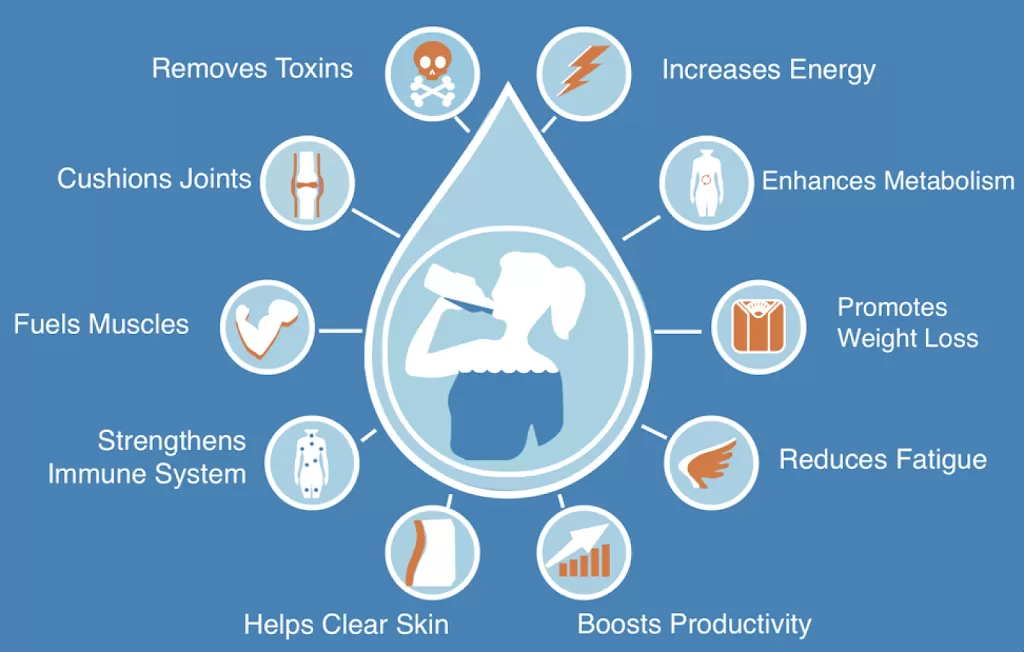
Water is the essence of life. Every cell, tissue, and organ in our body depends on it to function properly. Yet, many people underestimate the role of hydration in maintaining good health. From regulating body temperature to supporting digestion and energy levels, proper hydration is essential for overall wellness.
In this article, we’ll explore why hydration is vital, how much water the body needs daily, signs of dehydration, and practical tips to stay hydrated in everyday life.
1. Why Hydration Matters for Health
Water makes up about 60% of the human body, and it’s involved in nearly every physiological process. Without enough fluids, the body can’t perform essential tasks efficiently.
Here’s how water supports key body functions:
- Regulates body temperature through sweating and respiration.
- Maintains blood volume and circulation, helping transport oxygen and nutrients.
- Supports brain function, focus, and mood stability.
- Aids digestion and nutrient absorption.
- Keeps joints lubricated and reduces stiffness.
- Helps flush out toxins through urine and sweat.
In short, hydration is life support — the foundation of energy, clarity, and balance.
2. How Much Water Do We Need Daily?
The amount of water a person needs varies depending on age, gender, climate, activity level, and health condition.
However, health experts provide some general guidelines:
- Men: About 3.7 liters (13 cups) of total fluids per day
- Women: About 2.7 liters (9 cups) of total fluids per day
This total includes all fluids — not just plain water — such as herbal tea, milk, fruits, soups, and vegetables.
The Role of Hydration in Maintaining Good Health BY Dr. Sandwip Talukdar
- Hot or humid weather: Increases fluid loss through sweat.
- Exercise: Causes additional water loss; drink before, during, and after workouts.
- Health conditions: Fever, vomiting, or diarrhea require extra hydration.
- Pregnancy or breastfeeding: Women need more fluids to support body changes.
A simple rule: Listen to your body. If you’re thirsty, drink. If your urine is dark yellow, you may need more fluids.
3. The Benefits of Staying Hydrated
Proper hydration leads to numerous health benefits — both physical and mental.
Boosts Energy and Reduces Fatigue
Even mild dehydration can cause tiredness and low energy. Water helps cells function efficiently, keeping the body alert and active.
Improves Digestion
Water is essential for breaking down food and moving waste through the intestines. It prevents constipation and supports a healthy digestive system.
Enhances Skin Health
Hydration keeps skin cells moisturized, reducing dryness and promoting a healthy glow. While it won’t erase wrinkles, it improves overall skin texture and elasticity.
Supports Brain and Cognitive Function
The brain relies on adequate fluid balance to maintain concentration, memory, and mood. Studies show that even 1–2% dehydration can impair cognitive performance.
Regulates Body Temperature
Sweating and evaporation help cool the body, especially during exercise or in hot environments. Without enough water, the body overheats easily.
Aids Muscle and Joint Function
Hydrated muscles and joints move smoothly, reducing cramps, stiffness, and injury risks.
4. What Happens When You’re Dehydrated
Dehydration occurs when the body loses more fluids than it takes in. Even slight dehydration can have noticeable effects on physical and mental performance.
Common Symptoms of Dehydration
- Thirst or dry mouth
- Dark yellow urine
- Fatigue or dizziness
- Headache
- Dry skin or lips
- Muscle cramps
- Irritability or confusion
Severe dehydration can lead to:
- Rapid heartbeat
- Low blood pressure
- Fainting
- Heat exhaustion or heat stroke
- Kidney problems
Who Is at Higher Risk of Dehydration?
- Older adults: Sense of thirst decreases with age.
- Athletes: Lose large amounts of water through sweat.
- Children: Smaller bodies lose water faster.
- People with illnesses: Especially with fever, diarrhea, or vomiting.
5. Best Sources of Hydration
While water is the best choice, many foods and drinks contribute to hydration.
Hydrating Foods
- Cucumber (95% water)
- Watermelon (92%)
- Lettuce, celery, tomatoes
- Oranges and strawberries
These foods provide both fluids and nutrients, making them ideal for maintaining hydration.
Healthy Drinks
- Plain water: The best option for daily hydration.
- Coconut water: Rich in electrolytes.
- Herbal teas: Hydrating and caffeine-free.
- Milk: Contains water, calcium, and protein.
Avoid excessive caffeine and alcohol, as they can increase fluid loss.
6. Hydration for Different Lifestyles
Office Workers
Long hours at desks can make people forget to drink water. Keep a water bottle nearby and set hourly reminders.
Athletes and Active Individuals
Drink before, during, and after exercise. For workouts longer than an hour, consider electrolyte drinks to replace sodium and potassium.
Older Adults
Because the sense of thirst weakens with age, seniors should drink fluids at regular intervals even when they don’t feel thirsty.
Children
Encourage kids to drink water instead of sugary beverages. Hydration helps maintain focus and energy throughout the day.
7. Tips to Stay Hydrated Every Day
- Start your morning with a glass of water.
- Carry a reusable water bottle wherever you go.
- Flavor water naturally with lemon, cucumber, or mint.
- Eat water-rich foods like fruits and soups.
- Drink before feeling thirsty.
- Track your intake with mobile apps or hydration reminders.
- Hydrate before and after physical activity.
- Monitor urine color — pale yellow means good hydration.
8. Myths About Hydration
“You must drink 8 glasses a day.”
While 8 glasses is a good general target, hydration needs vary based on lifestyle and environment.
“Coffee dehydrates you.”
Moderate caffeine consumption doesn’t significantly dehydrate; it can still contribute to your daily fluid intake.
“Only water hydrates.”
Fruits, vegetables, milk, and other beverages also count toward daily fluid intake.
9. The Link Between Hydration and Disease Prevention
Proper hydration helps prevent or manage many health issues:
- Kidney stones: Water dilutes minerals and reduces crystal formation.
- Urinary tract infections: Frequent hydration flushes bacteria.
- High blood pressure: Good hydration supports heart function.
- Obesity: Water helps control appetite and metabolism.
- Diabetes: Prevents dehydration-related blood sugar spikes.
10. Conclusion
Hydration is more than just drinking water — it’s about maintaining balance for optimal body function. From boosting energy and improving focus to supporting heart and skin health, the role of hydration in maintaining good health cannot be overstated.
Make hydration a daily habit, just like eating or sleeping. Keep water nearby, listen to your body’s signals, and enjoy the many benefits of staying hydrated every day.
FAQ – Hydration and Health
Q1: How much water should I drink a day?
A: Most adults need between 2.5–3.7 liters per day, depending on gender, activity level, and climate.
Q2: Can I drink too much water?
A: Yes. Excess water intake can cause hyponatremia, where sodium levels drop too low. Balance is key.
Q3: Does tea or coffee count toward hydration?
A: Yes, moderate tea or coffee intake contributes to fluid balance, but water should remain your primary drink.
Q4: What’s the best time to drink water?
A: Drink water in the morning, before meals, during exercise, and before bedtime — but avoid overhydration at once.Q5: What are signs that I need more water?
A: Thirst, dark urine, dry lips, and fatigue are common indicators of dehydration.